

01
Ant trails in the kitchen
Ants may be travelling towards food, moisture or established routes around cupboards, benches, appliances, windows or service gaps.
Ants keep coming back after you spray them?
I look at where the activity is happening, how the ants are travelling, and what may be supporting the problem before recommending the sensible treatment approach.
Ants often return because killing the workers you can see does not necessarily address the colony, established trail or conditions supporting the activity.
Depending on the species and situation, the ants moving across a benchtop, bathroom, window frame or exterior wall may represent only part of the wider activity.
Repeatedly spraying visible ants can sometimes give short-term relief without resolving where they are coming from. The better starting point is to understand the pattern before choosing the treatment.
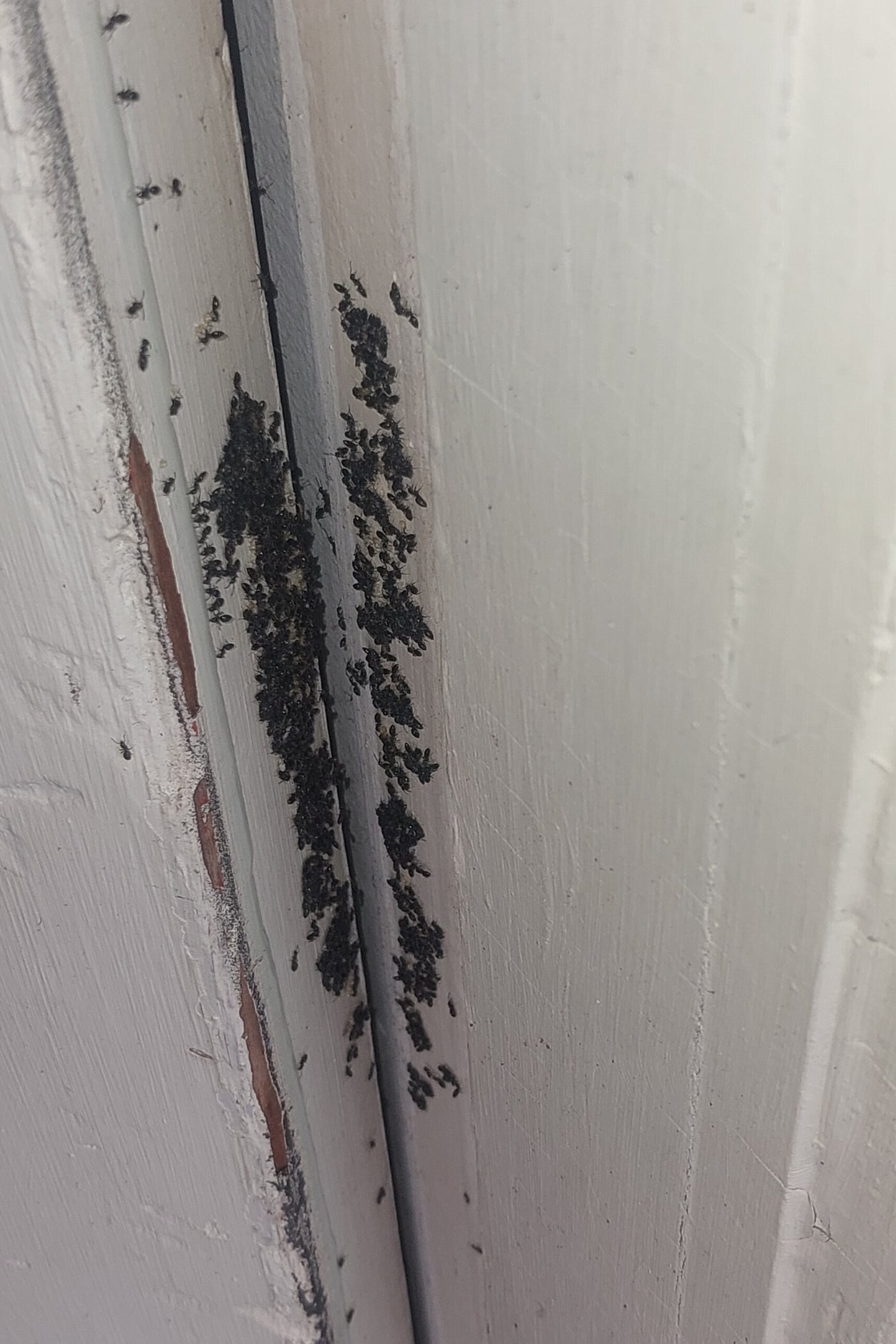
Where ants appear, when they appear and how they are moving can help guide the next step. These are common situations I hear about from North Shore homeowners.
Ants may be travelling towards food, moisture or established routes around cupboards, benches, appliances, windows or service gaps.
Ant activity is not always about obvious food. Moisture, plumbing areas and access routes can also influence where ants appear.
Temporary reductions do not always mean the underlying activity has stopped. Trails can change and visible activity may return elsewhere.
Gardens, paving edges, exterior walls, vegetation and other sheltered areas may be relevant depending on the ant and property.
A clean home can still experience ant activity because ants may be responding to more than obvious food waste.
Moisture, shelter, gardens, vegetation, plumbing areas, tiny food residues and established travel routes can all be relevant depending on the situation.
Good hygiene helps reduce attractants, but cleanliness alone does not necessarily stop ants from exploring or entering a property.
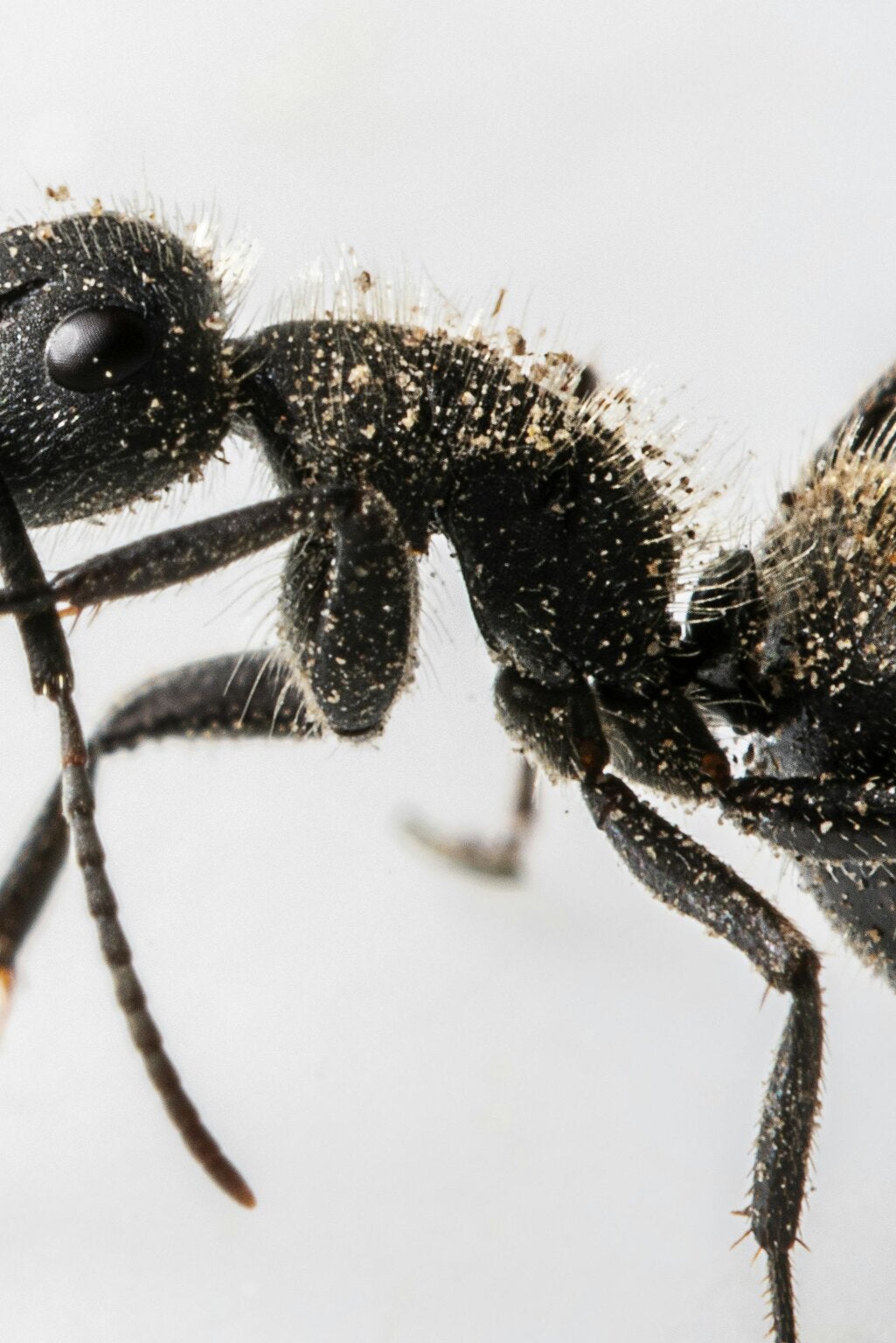
I start with where you are seeing the ants, how long the activity has been happening and whether the problem is isolated or appearing in multiple areas.
Where relevant, I assess visible trails, likely movement areas, conditions around the property and whether the activity appears to be coming from inside, outside or both.
The treatment may involve targeted baiting, carefully selected residual treatment, exterior treatment or a combination depending on the situation. I do not assume every ant problem needs the same response.
The exact treatment depends on what is found. A typical service may involve the following steps.
Check where ants are being seen, how they are travelling and which parts of the property appear involved.
Baiting, targeted residual treatment or exterior treatment may be considered depending on the ant activity and location.
You receive practical expectations about activity after treatment, what to avoid disturbing and when reassessment may be relevant.
Neither method is automatically “best” for every ant problem. The correct choice depends on the activity, location, likely species and treatment objective.
Baiting can be useful where feeding ants can carry an appropriate bait back through established activity. Placement and avoiding unnecessary disturbance can matter.
Residual treatment may be appropriate in selected areas where ant movement, entry routes or exterior activity needs to be addressed. It should not simply be sprayed everywhere without a reason.
Some properties may need different methods in different areas. Indoor activity and exterior pressure should not automatically be treated as if they are the same problem.
Not necessarily. The expected response depends on the treatment method and the pattern of activity.
With baiting, ants may continue feeding and travelling for a period while the treatment works through the activity. Seeing ants around bait does not automatically mean the treatment has failed.
With other treatment methods, activity may reduce differently. I explain what you should expect based on the actual service carried out rather than promising that every visible ant disappears instantly.
Pricing depends on whether the problem is a targeted indoor activity, wider exterior pressure or a larger property requiring more extensive treatment.
Suitable as a guide for more localised residential ant activity where targeted assessment and treatment is appropriate.
Wider perimeter activity, extensive exterior pressure, larger homes or more complex treatment requirements may need a site-specific price.
Final pricing depends on property size, access, extent of activity, treatment areas and the method required. I prefer to price the actual problem rather than pretend every ant job is identical.
No. Food can be an attractant, but moisture, established travel routes, shelter and access through small gaps may also be relevant. The location and pattern of activity help build a better picture.
Ant activity in bathrooms and laundries may be influenced by moisture, plumbing areas, gaps around building elements or established routes. The presence of ants does not automatically mean the area is dirty.
Usually, you should avoid spraying directly around a professionally placed bait unless specifically advised otherwise. Disturbing feeding activity or contaminating the bait area can work against the intended treatment strategy.
Visible ant activity can change as trails shift, conditions change or treatment affects movement. New sightings elsewhere should be considered as part of the wider activity rather than automatically treated as an unrelated problem.
Yes, where exterior activity is relevant. The treatment approach depends on what is happening around the property. Indoor baiting and exterior treatment are different tools and are not automatically required on every job.
The timeframe depends on the ant activity and treatment method. Some targeted baiting situations may show improvement over the following days, while wider or recurring activity can require more time or reassessment. I explain expectations based on the treatment actually used.
Tell me where you are seeing them, how long it has been happening and whether you have already tried bait or spray. I’ll help you work out the sensible next step.