

01
Bites around ankles or legs
Flea bites are commonly noticed around lower legs, especially after walking through affected areas.
Still getting bitten or seeing fleas after vacuuming?
Flea problems need the right preparation, treatment and aftercare. I help treat the affected areas and explain what to expect so the process is handled properly.
Flea activity can continue for a period because immature life stages may still be developing and emerging from affected areas.
Adult fleas are only part of the problem. Eggs, larvae and pupae may be present in carpets, rugs, pet resting areas, bedding, cracks, furniture edges and other sheltered areas.
This is why treatment expectations matter. A proper flea service is not just spraying once and pretending every flea disappears immediately.
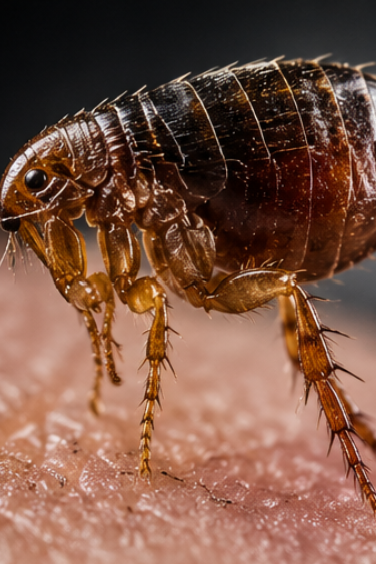
Flea activity is not always obvious straight away. These are common signs homeowners notice before booking treatment.
Flea bites are commonly noticed around lower legs, especially after walking through affected areas.
Pets scratching, licking or showing discomfort may indicate flea activity, but pets should also be treated by the owner or vet.
Activity may be noticed when walking across carpet, rugs, pet resting areas or rooms that were previously unused.
Fleas can emerge after a vacant home becomes occupied again because movement and warmth may stimulate activity.
Flea control works best when the property and pets are both addressed properly.
The home treatment targets the environment, but pets can continue carrying fleas if they are not treated separately. Vacuuming also helps stimulate flea emergence and remove loose debris before treatment.
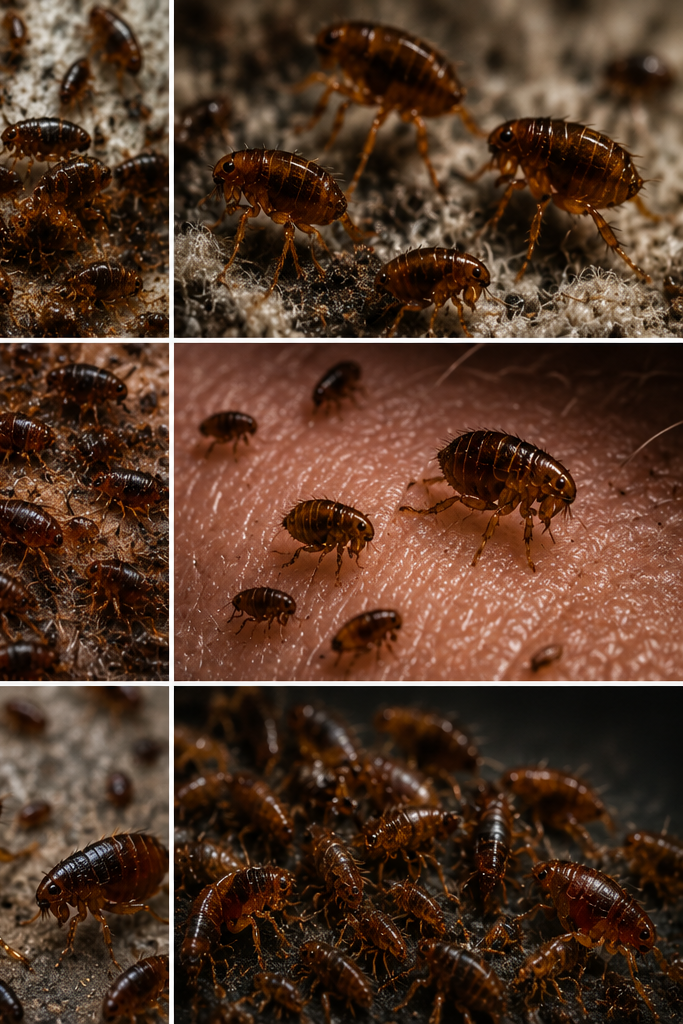
I start by understanding where bites or flea sightings are occurring, whether pets are present, which areas are carpeted, and whether the home has recently been vacant or occupied.
The treatment focuses on affected internal areas where fleas are likely to be active, especially carpets, edges, pet resting areas and other relevant harbourage zones.
I also explain the preparation and aftercare because flea treatment depends heavily on what happens before and after the service.
The exact service depends on the property, flooring and activity level, but a typical flea treatment follows this practical sequence.
Identify where bites, sightings or pet activity have been noticed and which rooms require treatment.
Apply treatment to suitable affected areas such as carpets, edges, rugs and pet resting zones where appropriate.
Provide clear expectations on drying time, cleaning, vacuuming and what activity may still occur after treatment.
Good preparation helps the treatment reach the areas where fleas are likely to be active.
Not always. Some flea activity can continue temporarily after treatment as immature stages emerge.
This does not automatically mean the treatment has failed. The important thing is whether activity reduces over time and whether the preparation and aftercare steps were followed.
I explain what to expect based on the home, flooring and treatment carried out so the process is clear from the start.
Pricing depends on property size, carpeted areas, affected rooms, level of activity and whether preparation has been completed.
Suitable as a guide for smaller or standard residential flea treatment where affected areas are accessible and prepared.
Larger homes, multiple affected rooms, heavy activity or poor preparation may require a site-specific quote.
Final pricing depends on access, flooring, affected area size, activity level and any special preparation or follow-up requirements.
Yes, flea activity can still be noticed in homes without current pets, especially if previous animals lived there or if wildlife, neighbouring animals or outdoor exposure contributed to activity.
Movement, warmth and occupancy can stimulate flea emergence in a property that was previously vacant or quiet.
Vacuuming may be recommended after an initial settling period, depending on the treatment and advice given. Avoid washing treated surfaces too soon unless advised.
Yes. The home treatment targets the environment, but pets should be treated separately using suitable veterinary or pet flea products.
Many situations improve with one properly prepared treatment, but heavy activity, poor preparation or continued pet exposure may require further action or reassessment.
Tell me where the activity is happening, whether pets are present and how many rooms may be affected. I’ll help you work out the sensible next step.