

01
Night-time sightings
Cockroaches appearing after lights are off can suggest hidden activity around kitchens, appliances or moisture areas.
Seeing cockroaches at night or around the kitchen?
Cockroaches often hide where people do not normally look. I check likely harbourage areas, activity points and conditions before recommending the right treatment.
Cockroaches are often more active when the house is quiet and dark, especially around kitchens, appliances, cupboards, cracks, moisture areas and hidden harbourage points.
Seeing one cockroach does not always prove a major infestation, but repeated sightings, activity at night, droppings, egg cases or activity near food areas should be checked properly.
The goal is not just to kill what is visible. The important part is understanding where the activity is likely coming from and treating the right areas.
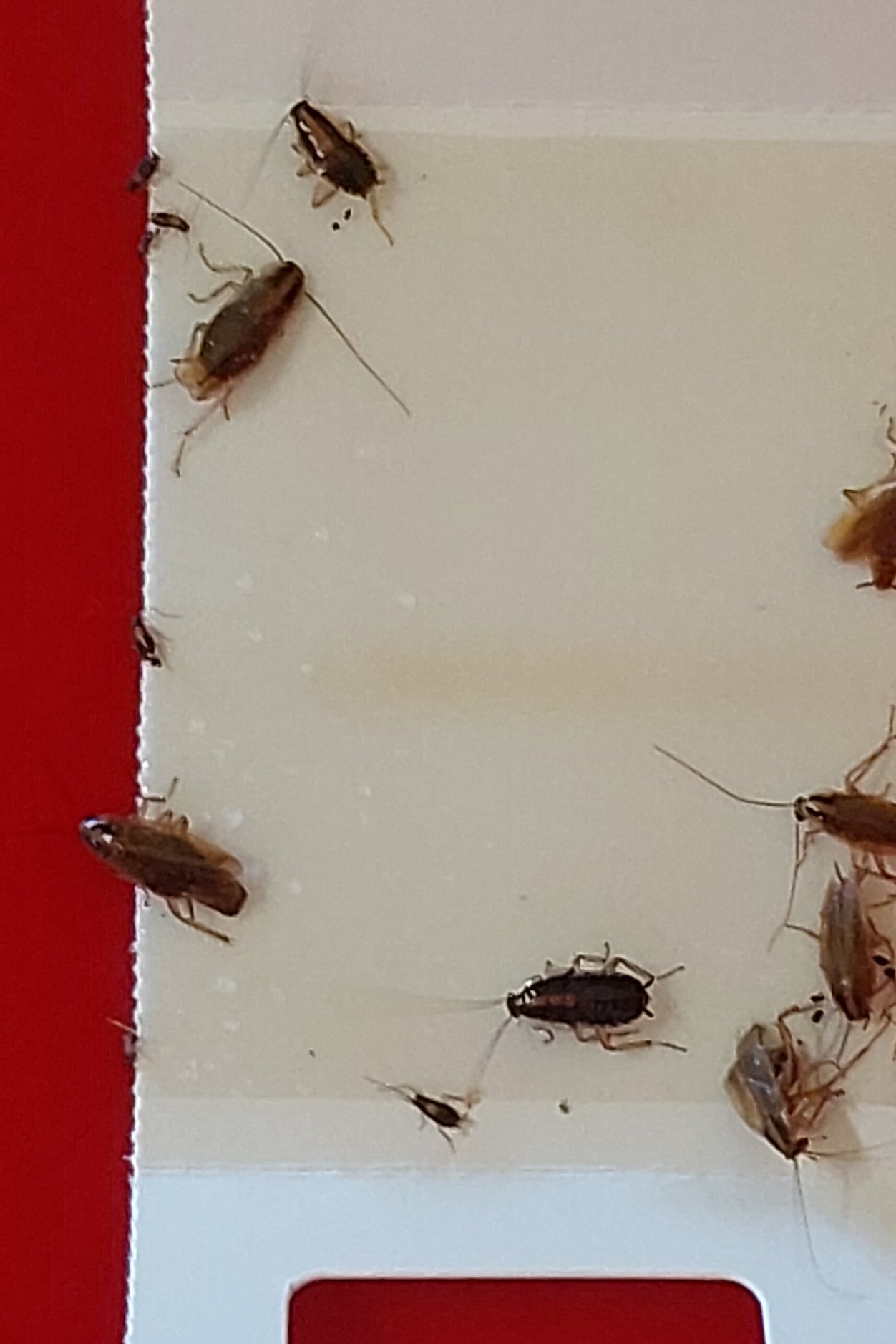
The location and frequency of sightings help determine whether a targeted treatment is sensible.
Cockroaches appearing after lights are off can suggest hidden activity around kitchens, appliances or moisture areas.
Fridges, dishwashers, ovens, microwaves and warm hidden areas can provide shelter and harbourage.
Small dark specks, smear marks or activity around cupboards and corners can support what has been seen.
Spraying visible cockroaches may give temporary relief without reaching harbourage areas or ongoing activity.
Cockroaches may return because the spray only affected the insects that were visible, not the harbourage areas, egg cases, food pressure, moisture or hidden movement points.
Repeated supermarket spraying can also scatter activity or make the problem harder to understand if the source has not been checked properly.
I start with where the cockroaches are being seen, when they appear, whether DIY products have already been used, and which rooms or appliances may be involved.
Where relevant, I check likely harbourage areas, cracks, hinges, appliance zones, cupboard edges, moisture areas and other points that may support activity.
Treatment may include gel baiting, targeted residual treatment, dusting selected voids where appropriate, monitoring points and hygiene or prevention advice.
The exact method depends on the property and level of activity, but treatment normally follows a practical sequence.
Review where cockroaches are being seen, what rooms are affected and whether activity appears localised or spreading.
Treat likely hiding and movement areas rather than only spraying the open surfaces where cockroaches are seen.
Explain what to expect after treatment, what cleaning to avoid, and whether monitoring or follow-up may be needed.
Cockroach treatment works better when the treatment areas are accessible and the bait or treated areas are not disturbed too early.
Pricing depends on whether the work is a standard residential treatment, a heavier infestation, or a commercial site requiring monitoring and follow-up.
Suitable as a guide for standard residential cockroach activity where targeted treatment is appropriate.
Restaurants, cafés, repeated activity, severe infestations or monitoring programmes may require a site-specific quote.
Final pricing depends on property size, access, activity level, treatment areas, preparation, and whether follow-up or monitoring is required.
Not always. But repeated sightings, night-time activity, droppings, egg cases or activity near kitchens and appliances should be checked properly.
A clean kitchen can still have cockroach activity. Warmth, moisture, hidden harbourage, packaging, small food residues, drains or appliance areas may all be relevant.
I do not recommend using bug bombs immediately before a professional inspection unless advised. They can scatter activity and make it harder to understand where cockroaches are harbouring.
Some activity can continue for a period after treatment depending on the infestation, products used and harbourage involved. The key is whether activity reduces and whether follow-up is needed.
Many food premises benefit from routine monitoring and documentation. The frequency should depend on the site risk, history, surrounding pressure and operational requirements.
Tell me where you are seeing them, when they appear and whether you have already used sprays, bombs or traps. I’ll help you work out the sensible next step.